
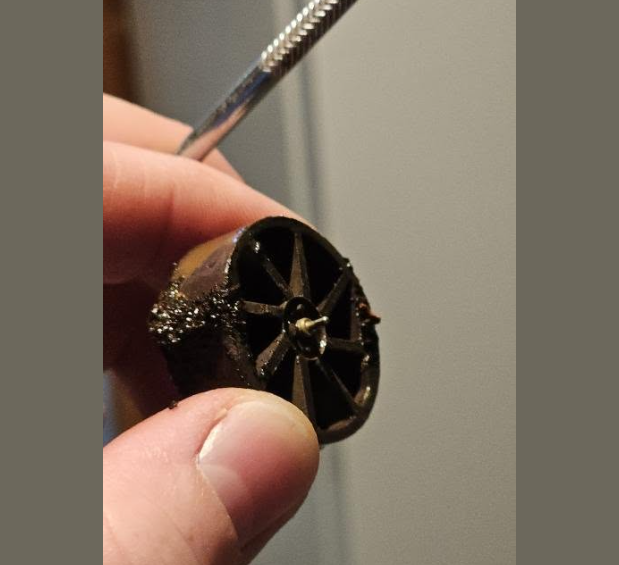
Culligan of Red Wing is highlighting the role of routine water softener maintenance after a recent service visit revealed a clogged flow meter turbine during a rental system checkup. Technician Kerry C. rebuilt the bypass, replaced the turbine, and cleaned the eductor before testing motor operation, water softness, and system pressure, according to a recent company Facebook post. The service call illustrates how inspection and component-level work can identify problems that may otherwise go unnoticed during everyday use.
The company’s water softener maintenance guidance centers on checking the equipment as a working system rather than treating a water softener as a device that can be left unattended. Its service process includes system inspection, water hardness testing, water flow inspection, filter replacement, sanitizing, salt bridge inspection, timer adjustments, regeneration settings, and resin performance checks. These tasks address different parts of the system, from the water entering and leaving the unit to the controls that determine when regeneration occurs.
A flow meter is one component involved in monitoring water use. In the recent rental checkup described by the company, the turbine inside the flow meter had accumulated material that interfered with water flow. The technician’s work included rebuilding the bypass assembly, replacing the turbine and cleaning the eductor, followed by operational checks. The post reported that the system was returned to service after the motor functions, softness, and pressure were tested.
“Routine checkups give technicians an opportunity to look beyond whether a system is simply running,” said Justin Bohl, owner of Culligan of Red Wing. “The condition of individual components, water flow, and the system’s settings all matter when evaluating how the equipment is operating.”
The service visit also reflects the range of issues that can affect a water softener. Culligan of Red Wing identifies reduced water pressure, a return of hard water, unusual noises, salt that is not being used, frequent regeneration, and leaks around the unit as signs that a system may need attention. Its service information notes that a salt bridge, clogged injector, faulty valve, or control issue can interfere with the regeneration process.
Those symptoms do not all point to the same repair. Low pressure, for example, may be associated with clogged resin, valve problems, or mineral buildup, while a system that is no longer using salt may have a blockage or a problem with its regeneration controls. The company’s published service process includes inspection and testing to help identify the source before parts are adjusted, cleaned, or replaced.
The maintenance process can also involve components that are less visible during normal household use. Control valves, resin tanks, brine tanks, circuit boards, timers, sensors, injectors, O-rings and seals are among the parts listed in the company’s repair information. Its technicians service Culligan equipment as well as systems from several other manufacturers, including Kinetico, EcoWater, Fleck, GE, Whirlpool and WaterBoss.
Bohl said a maintenance visit should account for both the mechanical condition of the equipment and the water it is producing. “Testing hardness, checking pressure, and confirming that the system cycles correctly provide different pieces of information,” Bohl said. “A component can appear minor, but if it affects metering or regeneration, it can change how the whole system operates.”
The company’s website states that many manufacturers recommend professional maintenance every 12 months. It also describes a service plan that includes scheduled maintenance, routine inspections, filter replacements, and salt delivery. The service information notes that regular inspections can help identify smaller equipment issues before they develop into more extensive repairs, although the condition and needs of each system depend on its age, use, and configuration.
For homeowners, some basic observations can help identify when a system’s operation has changed. A return of mineral scale on faucets, soap that no longer lathers as expected, cloudy dishes, unusual sounds, or a noticeable change in pressure may indicate that the equipment needs to be checked. Salt levels and the condition of the brine tank are also relevant because a salt bridge can prevent the system from regenerating as intended. These observations are not a substitute for testing, but they can provide useful information when a technician evaluates the equipment.
Culligan of Red Wing provides water treatment services for residential and commercial customers in southeastern Minnesota and western Wisconsin. The company’s offerings include water softeners, whole-home water filtration, reverse osmosis drinking water systems, bottled water and coolers, salt and water delivery, water testing, equipment maintenance and repairs. The Red Wing business has operated under owner Justin Bohl since he purchased the location in October 2016. Culligan’s local operation traces its history to 1936 and added residential plumbing services in 2021.
###
For more information about Culligan of Red Wing, contact the company here:
Culligan of Red Wing
Justin Bohl
(651) 243-4938
customerservice@culliganredwing.com
4909 Moundview Dr, Red Wing, MN 55066