Compassion Behavioral Health has published a new educational resource examining emerging research on GLP-1 receptor agonist medications and their potential relationship to alcohol cravings and alcohol use disorder. The resource reviews what researchers currently know about medications such as semaglutide, places early findings within the broader context of addiction treatment, and emphasizes that emerging pharmaceutical research should not be interpreted as a replacement for established clinical care.
The newly published article explains that GLP-1 receptor agonists were developed primarily for type 2 diabetes and weight management but have attracted growing research interest because of their potential effects on reward-related behaviors. The resource discusses evidence suggesting that these medications may influence neural pathways involved in motivation, appetite, and reinforcement, creating a scientific basis for studying their possible effect on alcohol consumption. Compassion Behavioral Health also notes that no GLP-1 receptor agonist is currently approved by the U.S. Food and Drug Administration specifically for alcohol use disorder.
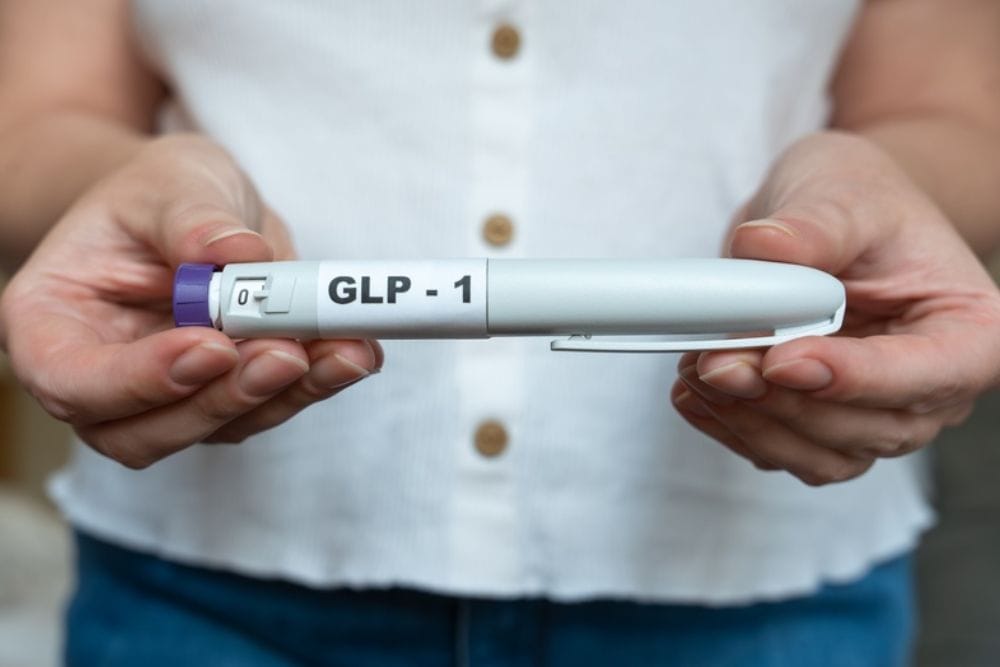
That distinction is supported by current guidance from the National Institute on Alcohol Abuse and Alcoholism. NIAAA identifies naltrexone, acamprosate, and disulfiram as the three medications currently approved by the FDA for treatment of alcohol use disorder. Medication may be used alongside behavioral treatment and other forms of clinical support, depending on a patient’s needs and medical history.
Interest in GLP-1 medications increased substantially following the publication of a randomized clinical trial in JAMA Psychiatry in February 2025. Researchers evaluated once-weekly semaglutide in 48 adults with alcohol use disorder during a nine-week, double-blind, placebo-controlled trial. The study found that low-dose semaglutide reduced alcohol consumption during a laboratory self-administration task and significantly reduced weekly alcohol craving compared with placebo. Researchers also observed reductions in drinks per drinking day and heavy drinking days, although semaglutide did not improve every alcohol consumption measure studied. The authors concluded that the findings supported larger clinical trials rather than establishing semaglutide as a standard treatment for alcohol use disorder.
The measured nature of those findings is central to Compassion Behavioral Health’s new resource. The article presents GLP-1 medications as an emerging area of research rather than an established addiction treatment. It also explains that reducing cravings alone does not address every psychological, behavioral, medical, or environmental factor that may contribute to problematic alcohol use. Patients with alcohol use disorder may also experience anxiety, depression, trauma-related symptoms, or other co-occurring mental health conditions that require assessment and treatment alongside substance use concerns.
The scale of alcohol-related treatment needs provides additional context for the discussion. According to NIAAA data based on the 2024 National Survey on Drug Use and Health, approximately 27.9 million people ages 12 and older in the United States had alcohol use disorder during the previous year, representing 9.7 percent of that population. Among adults ages 18 and older, approximately 27.1 million had past-year alcohol use disorder.
Treatment utilization remains substantially lower than prevalence. NIAAA reported in March 2026 that approximately 2.1 million people ages 12 and older with past-year alcohol use disorder received alcohol use treatment during 2024, representing 7.6 percent of people with the condition. Among adults, approximately 7.5 percent of those with past-year alcohol use disorder received alcohol treatment. These figures underscore the continuing gap between the number of people affected by alcohol use disorder and the number who access professional treatment.
Compassion Behavioral Health’s Fort Lauderdale treatment location provides structured behavioral health programming for adults dealing with substance use disorders, mental health conditions, and co-occurring disorders. The provider’s current location information identifies the Fort Lauderdale program primarily as a partial hospitalization and intensive outpatient treatment program, with additional outpatient services available within its broader treatment continuum. The organization’s nearby Hollywood location is identified with detoxification and residential treatment.
This distinction is particularly relevant for people researching Fort Lauderdale drug detox services. Detoxification is a specific level of care intended to help patients safely manage withdrawal and medical stabilization when clinically necessary. Compassion Behavioral Health’s published location information associates detox and residential care with its Hollywood facility, while Fort Lauderdale is associated with PHP, IOP, and outpatient programming. Patients researching luxury detox centers Fort Lauderdale can therefore use the organization’s location information to better understand how detoxification may fit into a broader continuum rather than assuming every level of care is delivered at the same physical site.
The Fort Lauderdale program lists treatment for alcohol addiction as well as opioid, cocaine, heroin, benzodiazepine, amphetamine, and sedative-related substance use disorders. Mental health programming described on the location page includes care for anxiety disorders, depression, bipolar disorder, post-traumatic stress disorder, obsessive-compulsive disorder, schizophrenia, schizoaffective disorder, attachment disorders, and co-occurring conditions.
Therapeutic services available through Compassion Behavioral Health’s broader clinical programming include cognitive behavioral therapy, dialectical behavior therapy, eye movement desensitization and reprocessing, transcranial magnetic stimulation, neurofeedback, motivational interviewing, solution-focused brief therapy, relapse prevention, individual therapy, and group therapy. Specialty programs include dual diagnosis treatment, family programming, medication-assisted treatment, and services for veterans.
Third-party information also provides context regarding the organization’s professional standing. Psychology Today currently lists Compassion Behavioral Health with a verified Florida treatment license and identifies credentials from The Joint Commission, the Florida Department of Children and Families, and the Agency for Health Care Administration. The directory also reports more than a decade in operation. These independently listed credentials offer patients and referral professionals another source for evaluating licensing and accreditation information when reviewing treatment providers.
The new GLP-1 resource adds a timely research-focused topic to that broader treatment information. For people comparing drug rehab Fort Lauderdale programs, the article may help distinguish experimental or emerging medication research from therapies and medications already incorporated into established substance use disorder care. People researching alcohol rehab Fort Lauderdale services can likewise use the information to understand why medication research is generally evaluated alongside behavioral therapy, psychiatric care, relapse prevention, and ongoing clinical monitoring rather than in isolation.
Search behavior increasingly reflects a desire for location-specific treatment information. Patients and families using terms such as alcohol rehab near me Fort Lauderdale often need to determine not only geographic proximity but also whether a facility provides the appropriate level of care. A person experiencing medically significant withdrawal may require detoxification before progressing to residential, partial hospitalization, intensive outpatient, or outpatient treatment. Another patient may be clinically appropriate for structured daytime treatment without requiring medical detox. The appropriate pathway depends on assessment, withdrawal risk, substance use history, psychiatric symptoms, medical status, and other patient-specific factors.
The resource is relevant to people throughout the communities surrounding the Fort Lauderdale treatment location. Patients and families in Coral Ridge and Coral Ridge Country Club Estates may use this information to compare substance use and mental health treatment resources in the area. Residents of Bay Colony and Sea Ranch Lakes can similarly review differences among detoxification, residential treatment, PHP, IOP, and outpatient care before discussing placement with a clinical professional.
People living in Lauderdale-by-the-Sea and Victoria Park may also encounter the resource while researching alcohol or drug treatment options across Broward County. Residents of Las Olas Isles and Rio Vista can use the same information to better understand how emerging GLP-1 research relates to established alcohol use disorder treatment and why medication decisions require clinical supervision rather than self-directed changes.
Compassion Behavioral Health’s new resource ultimately places promising GLP-1 findings within a cautious clinical framework. Current research indicates that semaglutide and related medications warrant continued study for their potential effects on alcohol craving and consumption, but the available evidence remains preliminary. The randomized JAMA Psychiatry trial involved only 48 participants, lasted nine weeks, and specifically concluded that larger trials are needed to determine clinical significance.
For patients, families, healthcare professionals, and people researching treatment, the resource provides a current overview of a rapidly developing area of addiction medicine while reinforcing the role of established assessment and treatment practices. Compassion Behavioral Health’s Fort Lauderdale program provides PHP, IOP, outpatient, mental health, substance use, and dual diagnosis services within a broader South Florida continuum that also includes detoxification and residential treatment through the organization’s Hollywood location. The newly published GLP-1 article provides additional context for understanding how future medication developments may complement, rather than replace, evidence-based behavioral health and addiction treatment.
###
For more information about Compassion Behavioral Health, contact the company here:
Compassion Behavioral Health - Mental Health - Drug & Alcohol Treatment | Fort Lauderdale
Emi Hopkins
(844) 999-0133
emih@cbhrehab.com
1425 NW 62nd St, Fort Lauderdale, FL 33309